
UNDERSTANDING ISOLATION
'Behavioral Patterns of Filipino Adolescents'
POST-PANDEMIC YOUTH BEHAVIOR
‘An Analysis of Isolation’
BEHAVIORAL PATTERNS DURING AND AFTER ISOLATION
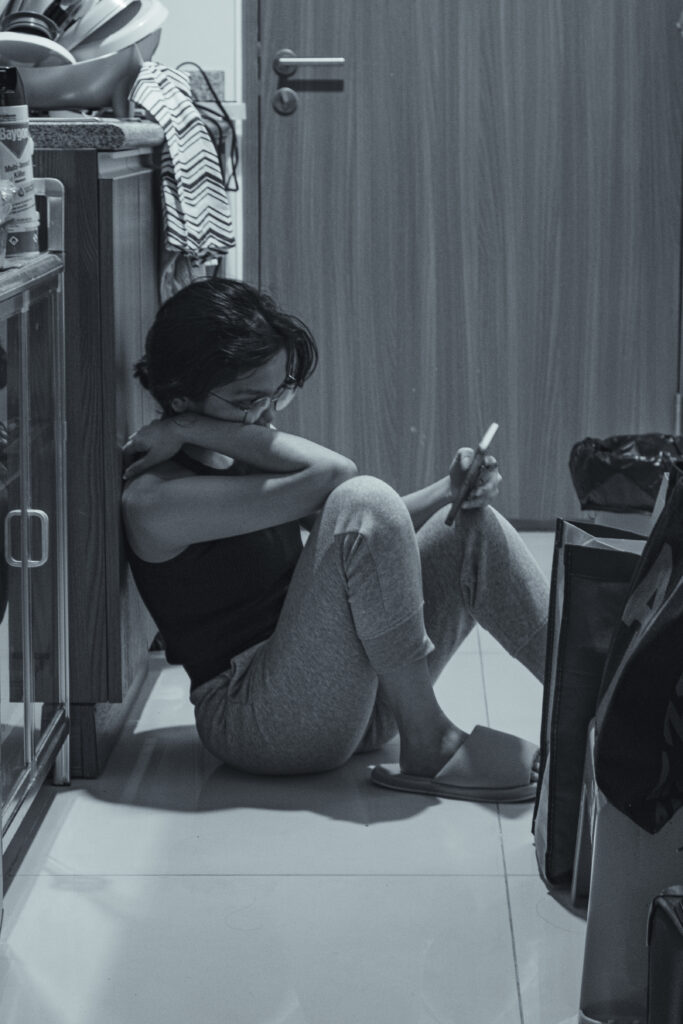
Many adolescents continued spending most of their time indoors because it felt familiar and manageable after long lockdown periods. They experienced lower social energy and preferred small, controlled interactions over large gatherings. Disrupted sleep routines from online classes carried over into the post-pandemic period, making late nights and irregular schedules common. Crowded or noisy environments felt overwhelming, so many chose quieter, low-pressure spaces.
These tendencies show how comfortable habits formed during isolation shaped post-pandemic behavior. Indoor spaces became a default choice, and social activities required more emotional effort. Fatigue, anxiety, and overstimulation influenced their willingness to reconnect face-to-face. The result was a cautious return to social life, not complete avoidance.
COPING MECHANISMS USED DURING ISOLATION
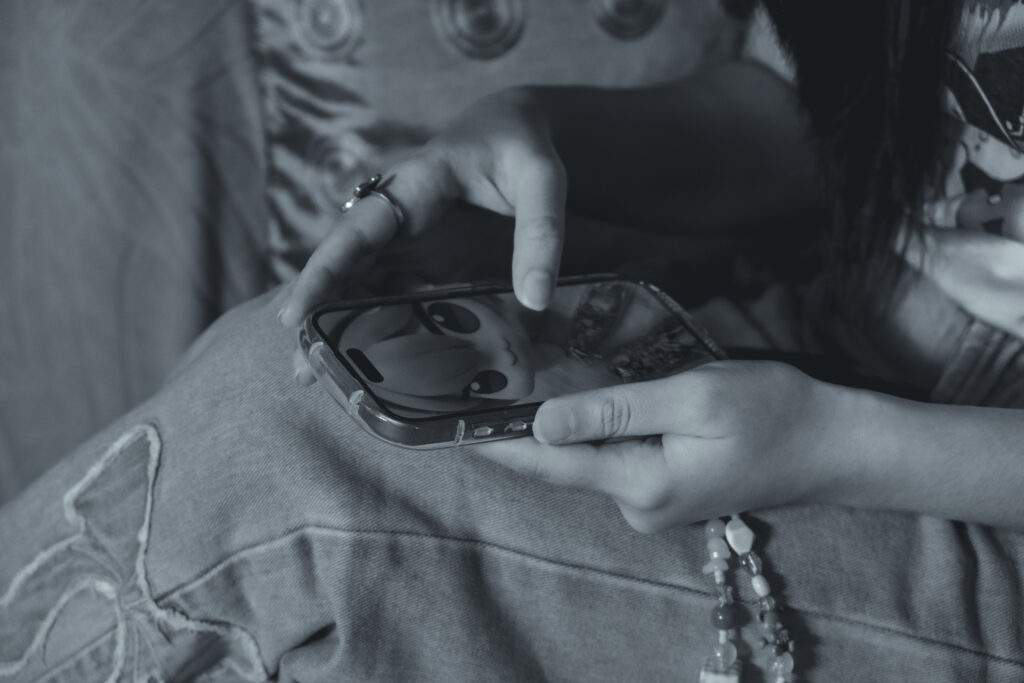
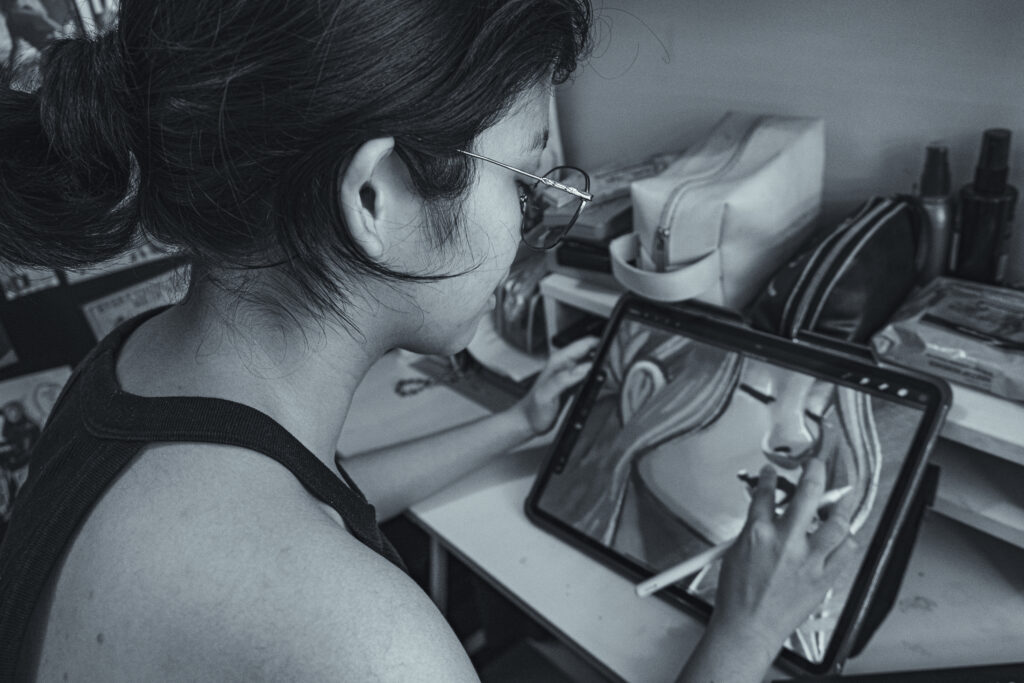
Most respondents relied on digital platforms like YouTube, TikTok, gaming, and social media to manage stress and fill long hours of solitude. Creative hobbies such as writing, drawing, and photography helped them regulate emotions and create small moments of control. Many stayed close to family members, using the home environment for emotional support. Simple routines, screen time patterns, quiet schedules, and personal rituals, offered predictability during uncertainty.
These coping habits carried into the post-pandemic period. Digital media remained the most accessible comfort tool, while creative outlets supported mental balance. Family proximity also stayed central, shaping their emotional safety net. The mix of online escapes and home-based routines defined how many processed isolation.
DIGITAL MEDIA DEPENDENCY
‘Uses and Gratification Theory and Media System Dependent Theory’
Digital media met emotional needs by reducing loneliness, lowering stress, and maintaining connections during lockdown. It also served cognitive needs through online learning and continuous information access. Social platforms supported identity development and allowed expression in online communities. High dependency grew as media substituted disrupted real-world systems during a period of intense uncertainty.
These dependencies persisted after restrictions eased. Many adolescents continued turning to media before seeking offline solutions. Emotional comfort, entertainment, and social presence remained tied to digital spaces. This reflects how media became a primary environment for coping, learning, and belonging.

HIKIKOMORI COMPARISON
The study identified surface-level similarities to Hikikomori, such as staying indoors, reduced face-to-face interaction, and heavy reliance on digital spaces. Withdrawal appeared during moments of emotional fatigue or stress. These behaviors were situational and shaped by pandemic conditions, not a long-term rejection of society. Most respondents still desired social connection, even if it came with discomfort.
Key differences show a distinct Filipino pattern. Family proximity remained strong, and online communication stayed active. Cultural values moderated deeper withdrawal and kept adolescents connected. This creates a localized form of selective withdrawal, not Hikikomori, but a post-pandemic adjustment shaped by culture, family, and digital reliance.